IMAX’s AI Film Festival Stirs Backlash, Raising Questions About Creativity in Film
By Ina Kim
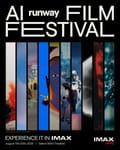
IMAX, the global leader in immersive cinema for their large curved screens, ventured into a new territory. The company has signed a deal with an AI company, Runway, to launch an AI Film Festival, marking a groundbreaking collaboration between traditional filmmaking and artificial intelligence: two worlds that should never collide.
According to IMAX, "Runway's AIFF is a celebration of the art and artists embracing new and emerging AI tools for filmmaking.” The shorts from the film festival would be screened from August 17 to August 20 at ten locations in the United States. The jury panel contained technology and media industry professionals, including noteworthy filmmakers Harmony Korine, Gaspar Noé, Jane Rosenthal and more.
However, instead of excitement, the announcement from IMAX sparked outrage globally. IMAX posted on Twitter their recent deal with Runway, with the comments only filled with "humiliating," and “shame on [IMAX],” alongside other disappointed comments from movie-lovers.
This backlash reflects a deeper fear: the heart of cinema itself is being compromised. Pairing filmmaking and artificial intelligence is completely unfitting in our current society. People come to watch movies in theaters and in their living rooms, being fascinated by the art of how movies are made. Now, people could be watching movies with the end credits having names of robots.
The decision to support an AI Film Festival doesn’t just hurt IMAX’s reputation. It directly harms human filmmakers, especially independent ones. Young and independent filmmakers struggling to have their films play in IMAX theaters had their chance stolen by artists producing AI-generated films. There is no good message to send out to society by letting robots create films.
IMAX isn’t alone. The usage of artificial intelligence has already spread across the film industry. Several major film festivals, including Slamdance and Tribeca, have been accepting AI-generated films. Before then, these two film festivals always spotlighted showcasing films made by independent filmmakers rather than artificial intelligence. Now, film festivals are sidelining human creativity, making room for artificial intelligence.
As more festivals open their doors to artificial intelligence, the dangers to the film industry become clearer. Especially when people watch movies daily, AI threatening filmmaking will reduce opportunities and creativity. As artificial intelligence grows rapidly, its growing presence in the arts threatens to reshape movies, a medium people consume daily as comfort. Now opportunities for emerging independent filmmakers are shrinking and stifling human originality. The biggest concern of AI in filmmaking is job displacement. AI, quickly involved with technology, can take control of editing, special effects, and possibly elements of storytelling. AI has already landed in popular editing software, including Adobe Premiere Pro and DaVinci Resolve, and skilled professionals risk losing jobs they depend on. Another common threat of AI in filmmaking is curtailing human creativity. Human creativity plays a powerful role in artistic storytelling that takes time and patience, but with artificial intelligence, it can scriptwrite, storyboard, and possibly produce film scores within seconds. There wouldn’t be a use of raw, human creativity anymore.
Some may argue that this technological evolution is inevitable. “More filmmakers are using evolving AI tools, and studios are partnering with AI companies to explore how they can use the technology in content creation,” NBC News stated.
Sure, AI doesn’t have to play the artistic role of filmmaking production. Maybe artificial intelligence can optimize shooting schedules, considering factors like actor availability, location management, budgeting, and weather conditions. But having the smallest thought of using artificial intelligence to produce a forty-minute film completely overlooks the essential role of human creativity.
Ultimately, the future of IMAX is not at stake, but the passion and soul of filmmaking itself. IMAX signing a deal with Runaway to hold an AI Film Festival is only supporting AI-generated films, encouraging more artists to let AI take over the art of movies. With more film festivals opening doors for fully AI-generated films, the hope for future aspiring artists may be increasingly uncertain.